
 Jonelle Cox, DDS
Bleeding gums, bad breath that will not go away, or teeth that suddenly feel loose are not things to brush off. At Smile Savers Cosmetic Dental, we help patients dealing with gum disease Brooklyn residents encounter at every stage, from the earliest signs of inflammation to more advanced cases that require deeper intervention. The sooner it is addressed, the easier it is to treat and the more of your natural smile you get to keep.
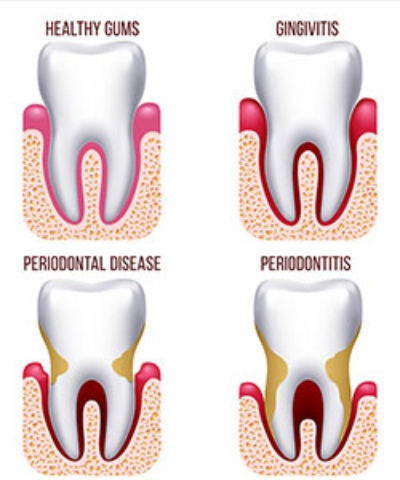
Gum disease, also called periodontal disease, is an infection of the tissues that support your teeth. It typically starts as gingivitis, a mild form caused by plaque buildup along the gumline that leads to redness, swelling, and occasional bleeding when you brush or floss. Left untreated, gingivitis can progress to periodontitis, a more serious condition where the infection spreads beneath the gumline, damaging the bone and connective tissue that hold your teeth in place. Recognizing gum disease Brooklyn patients often overlook in its earliest stage is the single best way to avoid this progression.
This progression is exactly why gum disease Brooklyn dentists see so often is easier and less costly to manage the earlier it is caught. Once bone loss occurs, some damage cannot be fully reversed, which makes early gum treatment Brooklyn patients receive so valuable in preserving their smile long term.
Gum disease can be subtle in its early stages, which is part of why it goes unnoticed for so long. Watch for these warning signs:
If you notice any of these symptoms, scheduling an evaluation for gum disease treatment Brooklyn patients trust sooner rather than later can prevent the condition from advancing further.
Plaque, a sticky film of bacteria that constantly forms on your teeth, is the primary cause of gum disease. When plaque is not removed through regular brushing and flossing, it hardens into tartar, which only a dental professional can remove. Beyond oral hygiene habits, several other factors can increase your risk, including smoking or tobacco use, hormonal changes, certain medications, diabetes, and a genetic predisposition toward gum problems. Understanding your personal risk factors helps our team tailor a gum disease Brooklyn treatment plan that actually fits your situation rather than a generic approach.
Professional Deep Cleaning
For early to moderate gum disease, scaling and root planing is often the first line of treatment. This deep cleaning removes plaque and tartar from below the gumline and smooths the tooth root to help gums reattach and heal. It is one of the most effective forms of gum treatment Brooklyn patients receive for stopping the progression of periodontal disease before it advances further.
Antibacterial Therapy
In some cases, we may recommend antimicrobial rinses or localized antibiotic treatments alongside deep cleaning to help control the bacteria contributing to infection and inflammation.
Ongoing Periodontal Maintenance
Patients who have been treated for gum disease typically benefit from more frequent cleanings than the standard six-month schedule. These maintenance visits allow us to monitor gum health closely and catch any signs of recurrence early.
Referral for Advanced Cases
For more severe periodontitis involving significant bone loss, we will discuss whether a referral to a periodontal specialist for surgical treatment is the right next step, and we will coordinate closely with that provider throughout your care.
When you come in for gum disease treatment Brooklyn patients can count on a thorough, unhurried evaluation. We measure the depth of the pockets between your teeth and gums, review your dental history, and take X-rays if needed to assess bone health beneath the surface. From there, we walk you through exactly what we found, explain your treatment options in plain language, and build a plan around the severity of your condition and your personal goals.
Treatment itself is designed to be as comfortable as possible. For deep cleanings, we use local anesthesia to numb the area, and most patients report only mild soreness in the day or two afterward, similar to a routine cleaning.
Gum disease is not just a cosmetic or comfort issue. Untreated infection can lead to tooth loss, and research continues to link chronic gum inflammation to broader health concerns, including heart disease, diabetes complications, and respiratory issues. Investing in gum disease Brooklyn care protects far more than your smile; it protects your overall health and quality of life.
Treating gum disease early also tends to be far less invasive and less expensive than addressing advanced periodontitis. A round of professional cleanings and improved home care can resolve gingivitis completely, while advanced cases may require ongoing management or surgical intervention to prevent further bone and tooth loss.
Choosing a provider for gum treatment Brooklyn patients feel comfortable with matters, especially since periodontal care often requires an ongoing relationship rather than a single visit. Dr. Jonelle Cox and our team take a gentle, thorough approach to every stage of gum disease Brooklyn residents present with, explaining findings clearly and never making you feel rushed through a decision about your care.
Our Brooklyn office is equipped to handle everything from routine gum health monitoring to more involved deep cleanings, and we take the time to build a maintenance schedule that keeps your gums healthy well after active treatment ends.
If you have noticed bleeding, swelling, or any other warning signs, do not wait for the problem to get worse. Effective gum disease Brooklyn treatment starts with a simple evaluation, and catching issues early can save you from more extensive treatment down the road.
Call Smile Savers Cosmetic Dental today at (855) 693-7269 to schedule your appointment. Our team is ready to help you protect both your smile and your long-term health.
Gum disease is an infection and inflammation of the tissues surrounding and supporting the teeth. It commonly develops when plaque and tartar build up along the gumline, allowing harmful bacteria to irritate the gums.
Common signs include red, swollen, or tender gums, bleeding during brushing or flossing, persistent bad breath, and gums that may begin pulling away from the teeth. Regular dental exams can help identify these signs early.
Early gum disease, known as gingivitis, can often be improved or reversed with professional dental cleanings and better daily brushing and flossing. Once gum disease progresses and damages the tissues or bone supporting the teeth, professional treatment may be necessary.
Treatment depends on the severity of the condition. Your dentist may recommend professional cleanings, improved oral hygiene, periodontal treatment, or other targeted care to control the infection and protect your teeth and gums.
Untreated gum disease can become more advanced and may damage the tissues and bone supporting your teeth. This can increase the risk of tooth loss and make treatment more complex.
Brush your teeth twice daily with fluoride toothpaste, floss or clean between your teeth daily, maintain regular dental exams and professional cleanings, and follow your dentist's recommendations for maintaining healthy gums.